
How to Rain-Proof Your Windows & Patio Doors


Southern California winters don't bring feet of snow, but atmospheric rivers and sudden coastal downpours hit hard. After months of dry heat, baking sun, and dust, heat-expanded window frames contract, rubber gaskets dry out, and tracks fill with fine dirt.
When torrential rains arrive, water finds every unsealed seam. A leak rarely starts as a huge flood, it begins with hidden moisture rotting wood framing behind stucco or damaging drywall underneath sliding tracks.
Preparing your home’s envelope before the first rain hits prevents emergency repairs. Use this step-by-step checklist to inspect and protect your windows and patio doors.
1. Inspect Outer Perimeter Sealants & Caulk
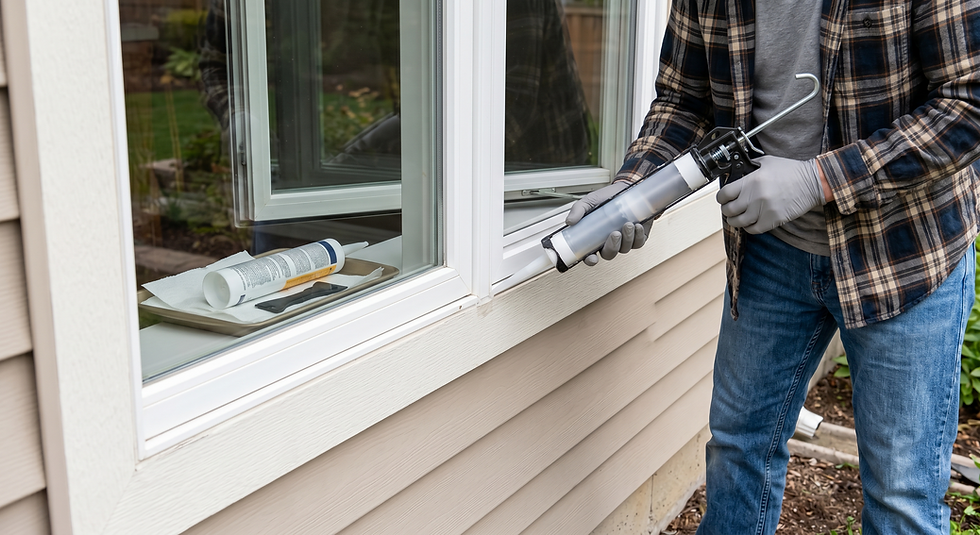
Direct UV exposure degrades exterior caulk over time, causing it to shrink, crack, or pull away from exterior finishes like stucco, siding, and brick.
What to look for: Inspect the exterior perimeter where the window or door frame meets your wall cladding. Look for gaps, hairline cracks, or hardened sealant that peels off easily.
The fix: Scrape away old, cracked caulk with a putty knife or caulk removal tool. Clean the joint with rubbing alcohol and let it dry completely. Re-seal using a high-grade, outdoor-rated elastomeric polyurethane or advanced silicone sealant that expands and contracts with local temperature swings.
2. Clear Track Weep Holes and Drainage Channels
Sliding vinyl windows and patio doors are designed on a water-management system. They do not stop 100% of water from hitting the track; instead, they capture runoff and direct it outside through tiny exterior slots called weep holes.
What to look for: Sand, pet hair, and dirt often clog these small exterior slots during summer. If weep holes freeze or clog, water builds up in the track and spills over onto your interior floorboards.
The fix:
Vacuum tracks using a crevice tool attachment.
Use a soft nylon brush or pipe cleaner to gently push debris out of the exterior weep hole slots.
Pour a cup of water directly into the track channel. If it drains out the exterior weep openings immediately, your drainage path is clear.
3. Check Weatherstripping, Gaskets, and Interlocks
Weatherstripping prevents wind-driven rain from forcing water between moving sashes and stationary frames.
What to look for: Inspect the felt, rubber bulb seals, and foam strips along the edges of doors and window sashes. Check for flattened, cracked, torn, or missing sections.
The fix: Replace worn weatherstripping with matching replacement seals from your manufacturer. On sliding glass patio doors, ensure the center interlock (where the two door panels meet and lock in the middle) aligns tightly without visible light gaps.
4. Test Lock Engagement and Frame Alignment
A window or patio door that doesn't latch tightly cannot compress its weather seals properly, leaving a gap for driving rain.
What to look for: Latch every window and patio door in your home. If a lock feels loose, sticks, or requires excessive force to engage, the sash or door panel may have shifted out of square.
The fix:
Adjust modern sliding door rollers using the adjustment screws located at the bottom edges of the door panel to square the door within its frame.
Tighten loose hardware, latches, and keeper plates. A snug lock creates a tight weather seal against the frame.
5. Evaluate Glass Seals & Glass Integrity
If you notice fogging, condensation, or a bluish film between the panes of double-pane glass, the perimeter insulated glass unit (IGU) seal has failed.
While a failed glass seal causes thermal efficiency loss rather than an immediate water leak inside your living space, heavy rain and wind pressure can degrade a compromised IGU unit further. Check glass for cracks or chipped corners near the glazing bead where water can collect.
Summary Checklist for Homeowners
Checkpoint | Target Area | What to Look For | Corrective Action |
Exterior Joints | Stucco/Siding Perimeter | Cracked or missing caulk beads | Apply high-grade elastomeric sealant |
Drainage | Track Weep Holes | Dirt, sand, or debris blockages | Vacuum and clear slots with a small wire brush |
Seals | Sash Weatherstripping | Compressed, brittle, or torn rubber/felt | Replace damaged weatherstrip sections |
Hardware | Locks & Rollers | Loose latches or misaligned door panels | Adjust bottom rollers and tighten lock keepers |
Glass | Dual-Pane IGUs | Internal fogging or perimeter bead cracks | Plan for glass or sash unit replacement |
FAQ: Preventing Storm Leaks
Why does water gather in my sliding patio door track during heavy rain?
Sliding tracks are designed to collect incoming water temporarily. As long as the track's weep holes remain clear of dirt, the water will drain out to the exterior before overflowing into your home.
Should I caulk over the weep holes on the outside of my windows?
No, never caulk over weep holes. Blocking weep openings traps water inside the window frame, leading to interior sill rot, floor damage, and mold growth inside the wall cavity.
What home maintenance guidelines cover window sealing and moisture protection?
According to the U.S. Department of Energy Consumer Guide to Air Sealing, proper caulking and weatherstripping prevent uncontrolled air leaks, protect structural framing from moisture damage, and reduce overall household energy loss.
Need Professional Guidance?
If you notice wood rot, water stains on drywall near window headers, or tracks that fail to drain properly during rainstorms, a quick inspection can catch major issues early. Contact XP Windows and Doors to evaluate your home's windows and doors or discuss high-performance, energy-efficient replacements built for California weather.
Comments